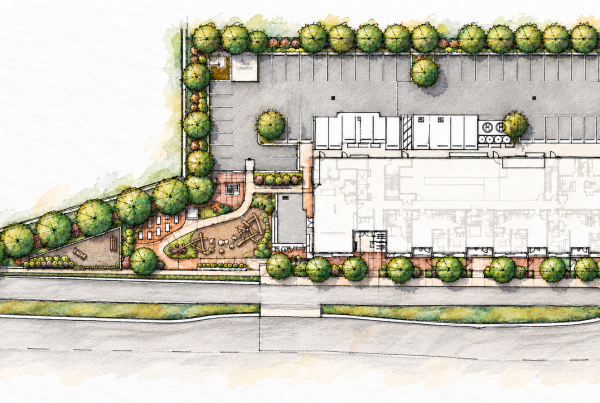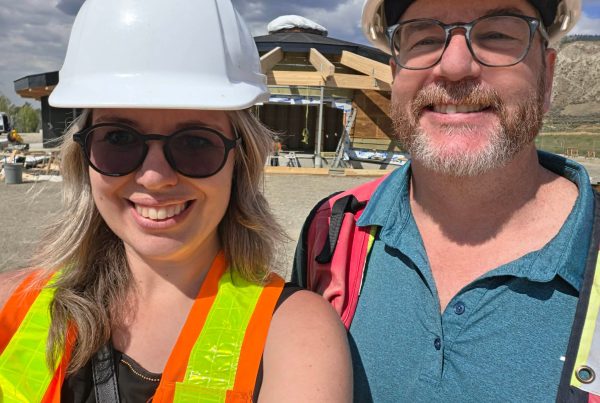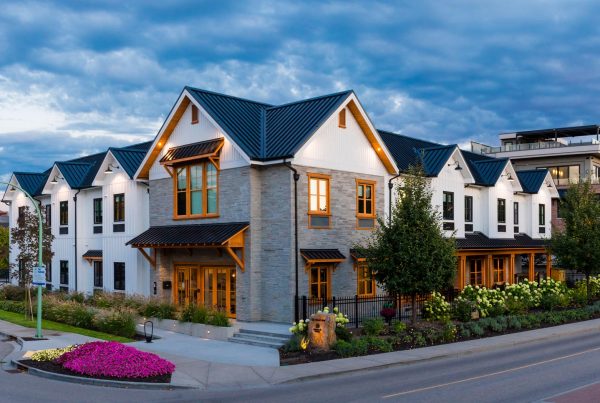

From Victoria, Sooke, Colwood and View Royal to Duncan, Nainamo, Comox and Campbell River, CTQ Consultants’ Landscape Architecture team is helping shape a growing range of residential and community-focused projects across Vancouver Island.
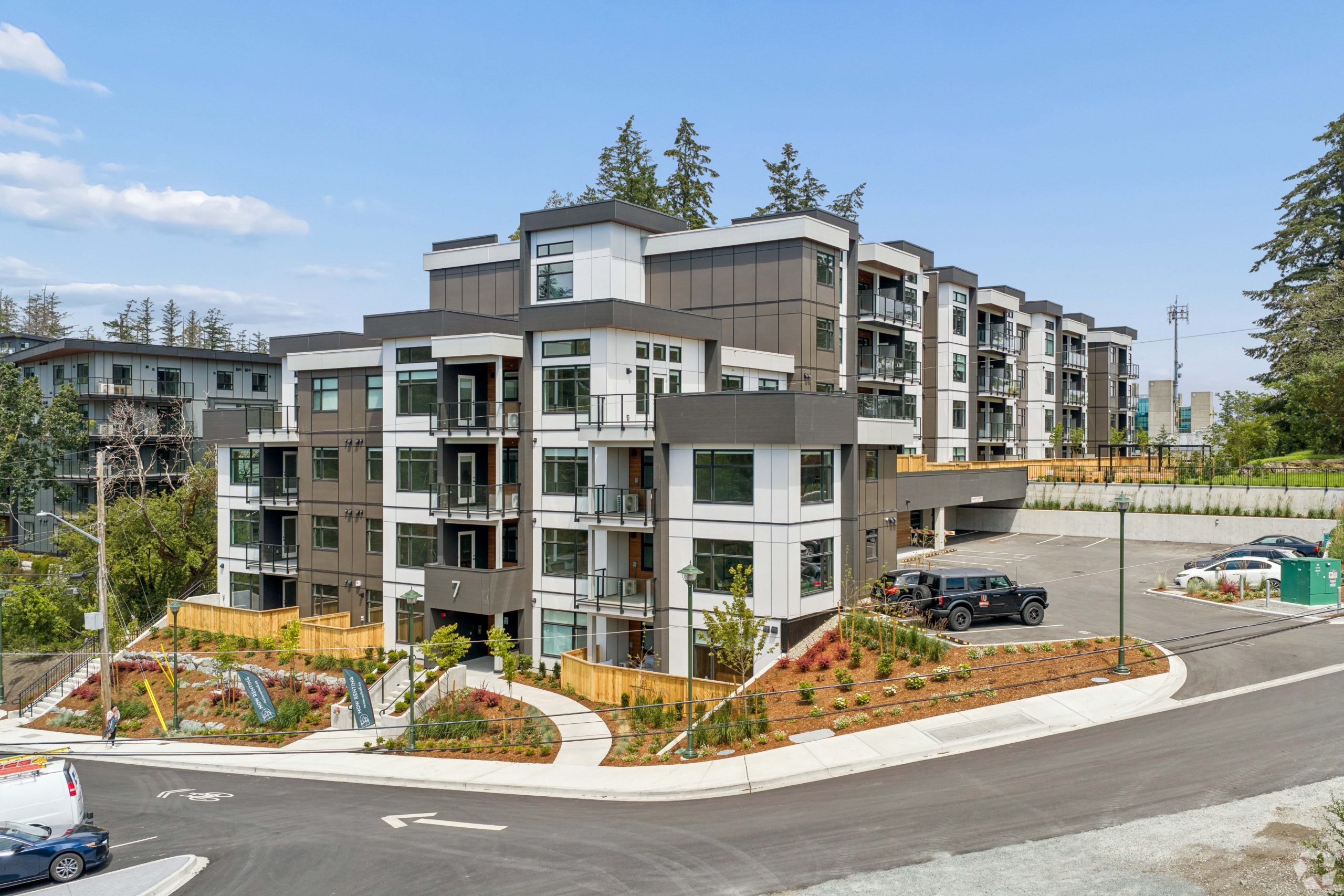
Working alongside developers including Seymour Pacific Developments, Broadstreet Properties, WestUrban Developments and Ironclad Developments, our team has contributed landscape architecture and site design expertise to projects throughout the Island — each with its own setting, challenges and opportunities.
Our growing Vancouver Island landscape architecture portfolio includes Cedar, Hector Road/Glacier Townhomes, the NPR Conference Centre, Reimagine the Row, and several new residential communities along the South Island Highway and throughout southern Vancouver Island.
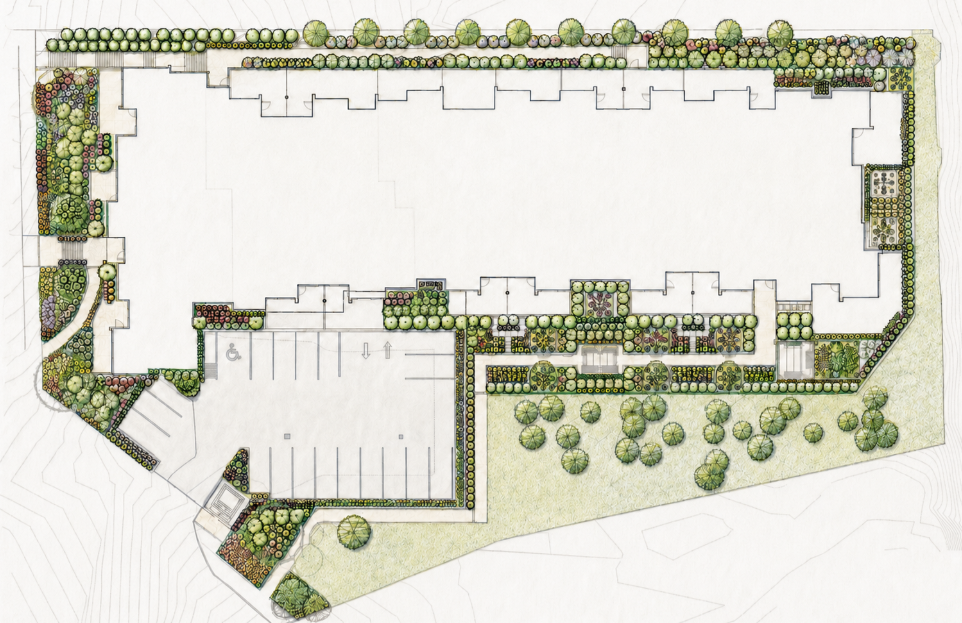
Designing Landscapes That Belong
Every site tells a slightly different story.
For our Landscape Architecture team, the starting point is understanding the architecture, the surrounding neighbourhood and the natural character of the site. From there, we look at how the landscape can help bring everything together.
Our goal is to create outdoor environments that feel welcoming and considered — landscapes that complement the architecture while making the spaces between buildings more comfortable, attractive and useful for the people who live there.
That can mean using planting to define entrances and create a strong first impression, softening parking and circulation areas, or creating comfortable transitions between private development, neighbouring properties and the public realm.
Trees and layered planting bring shade, seasonal colour, texture and structure to a site, while shared amenity spaces provide opportunities for residents to gather, relax and spend time outdoors.
Thoughtful pedestrian connections are equally important, helping tie buildings, outdoor spaces and surrounding neighbourhoods together and making communities easier and more enjoyable to move through.
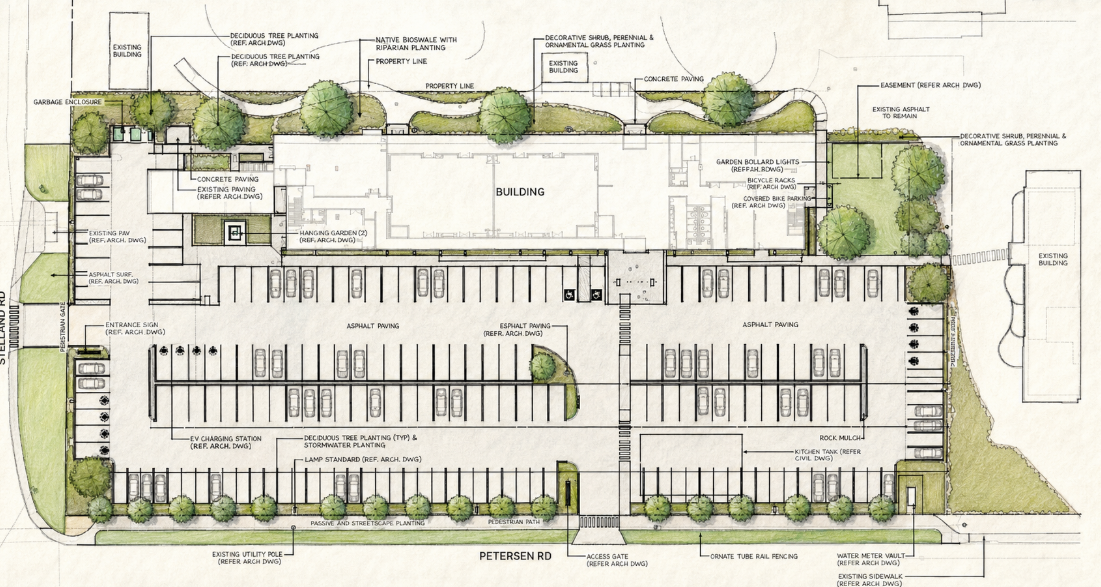
Responding to Vancouver Island’s Landscape and Climate
One of the advantages of designing landscapes on Vancouver Island is the opportunity to work with its relatively mild coastal climate and diverse range of plant material.
Carefully selected, resilient plant palettes can help create landscapes that feel lush, established and distinctly suited to Vancouver Island, while remaining practical to maintain over the long term.
Planting, however, is only one part of successful landscape design.
Grading, drainage, existing vegetation, pedestrian circulation and the treatment of site edges all influence how a landscape ultimately looks and functions. Considering these elements as part of an integrated design process helps create outdoor spaces that perform well from the beginning and continue to improve as the landscape matures.
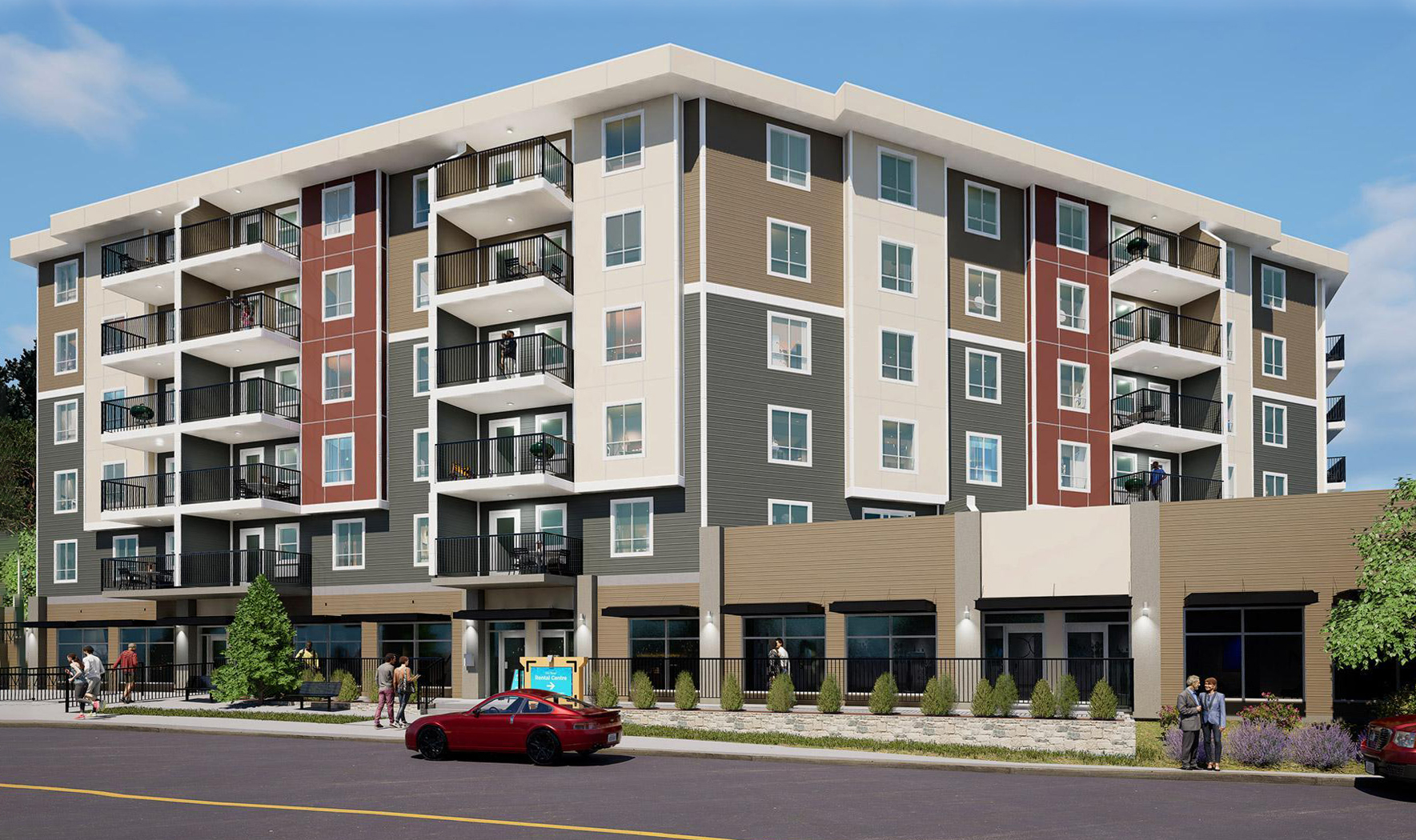
Landscape Architecture for Growing Vancouver Island Communities
As communities across Vancouver Island continue to grow, landscape architecture has an important role to play in creating residential environments that offer more than buildings alone.
Well-designed outdoor spaces can contribute to a stronger sense of arrival and identity, create opportunities for everyday social interaction and help new development connect more naturally with its surroundings.
For CTQ, that means looking carefully at the spaces between buildings as well as the buildings themselves — the paths people walk, the places they pause, the views from their homes and the landscape they experience when they arrive each day.
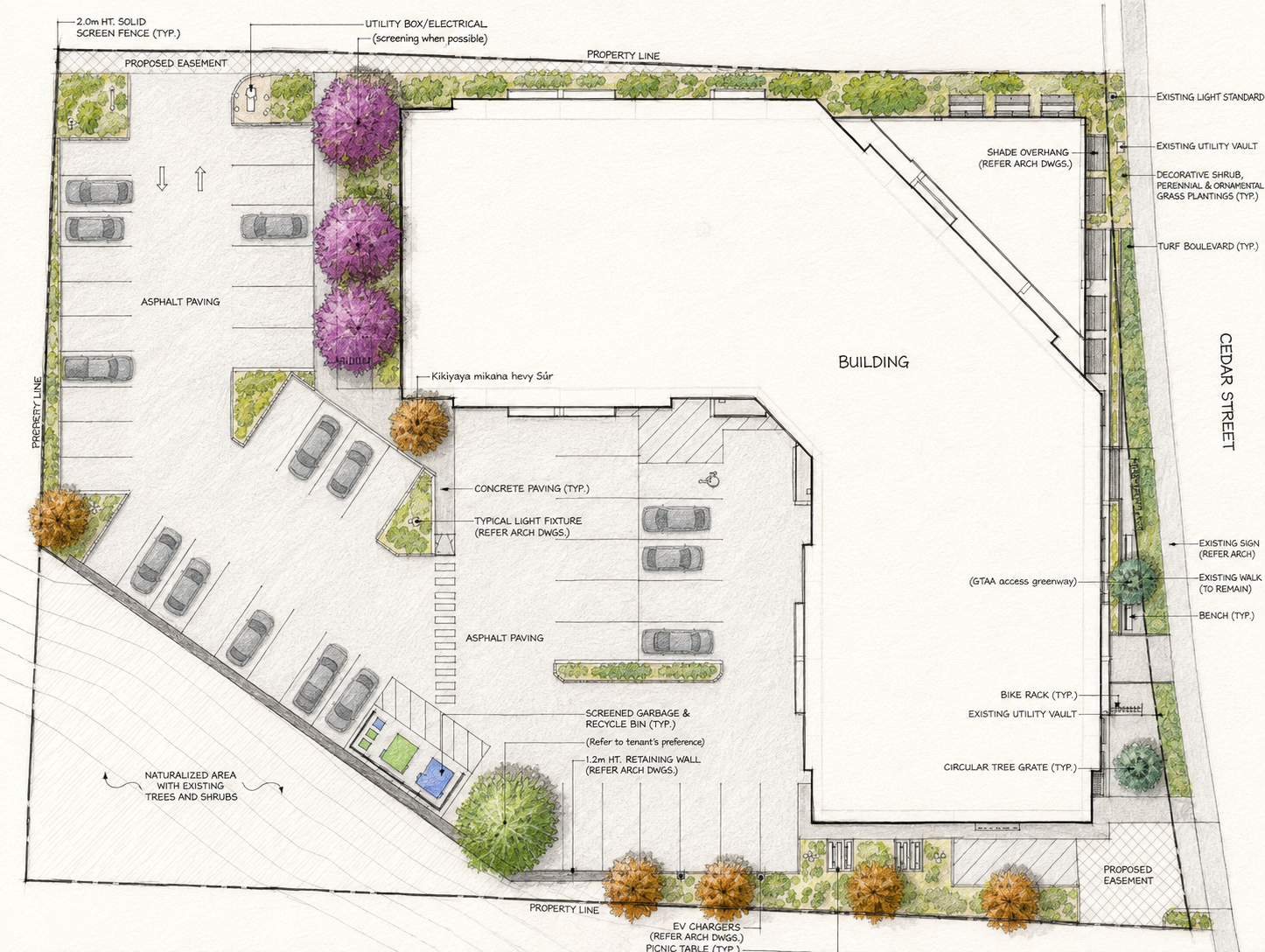 A Growing CTQ Presence on Vancouver Island
We are excited to see CTQ’s Vancouver Island Landscape Architecture portfolio continue to grow, from Campbell River and Comox in the north through Nanaimo and Duncan to Victoria, Sooke and other communities across the southern Island.
Just as importantly, we are proud of the relationships behind this work.
Our ongoing collaborations with developers, architects and project teams give us the opportunity to contribute to communities across Vancouver Island and to create landscapes that are welcoming, connected, resilient and distinctly at home in their surroundings.
As each project takes shape, we look forward to seeing these landscapes mature and become part of the everyday lives of the people who call them home.