
We recently had the pleasure of taking part in the graduate project presentations at the UBC School of Architecture and Landscape Architecture — an event that left us both inspired and optimistic about the future.
Representing CTQ, Adam Wojtowicz attended the event to witness the culmination of months (and years) of rigorous inquiry, design exploration, and critical thinking. The work on display went beyond aesthetics. These projects engaged deeply with the environmental, cultural, and social dimensions of landscape architecture — demonstrating a level of care and intentionality that reflects the evolving role of our field.
Designing for Complexity and Connection
Several of the projects stood out for how they reframed landscapes as dynamic, interconnected systems.
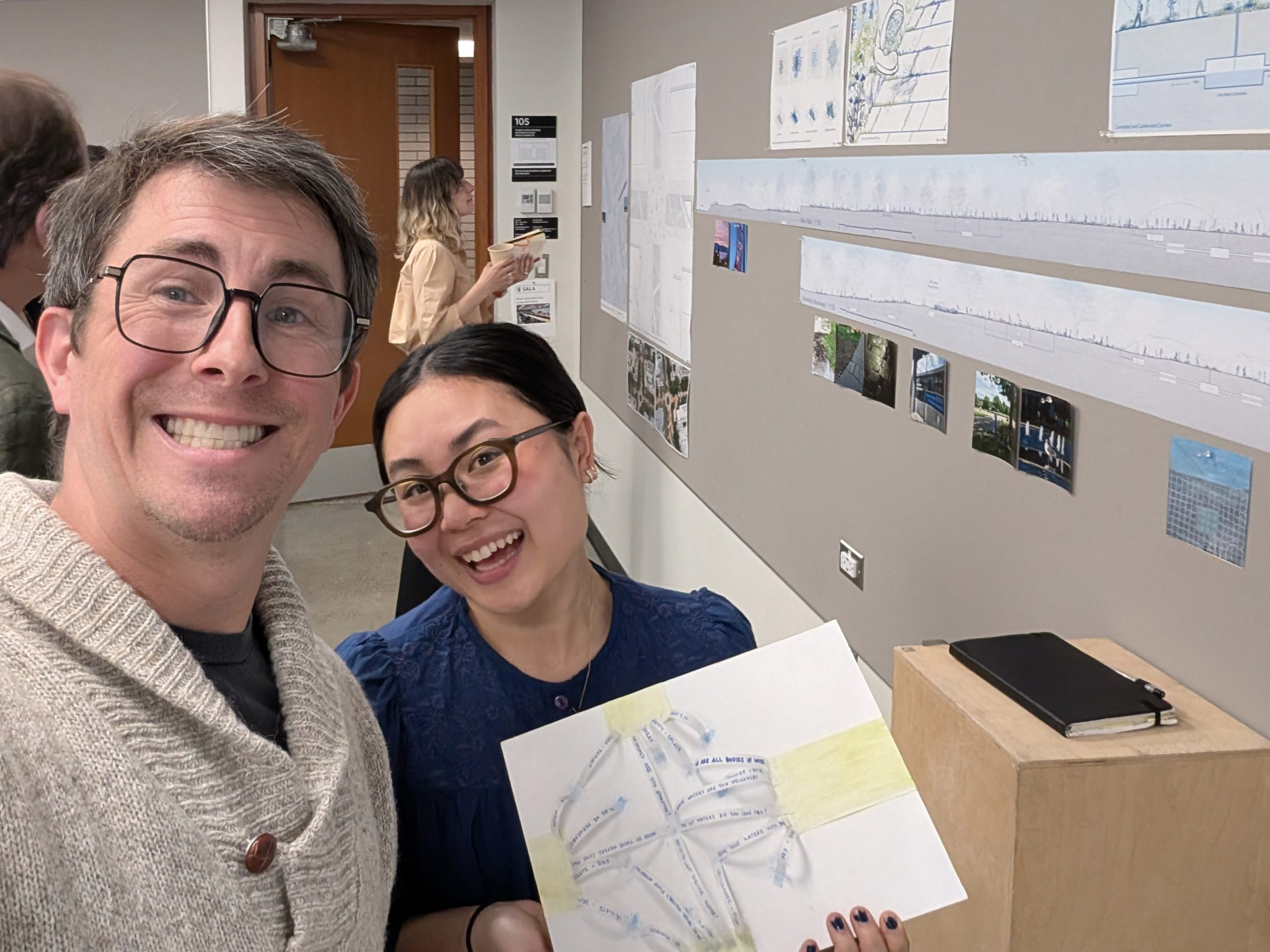
In her project “Fountain Futures: Shared waters at the University of British Columbia Point Grey Campus”, Thea Johannus explored how shared water features on campus can shape institutional identity, ecological responsibility, and public experience. She highlighted the power of design to influence not just space, but values and behavior.
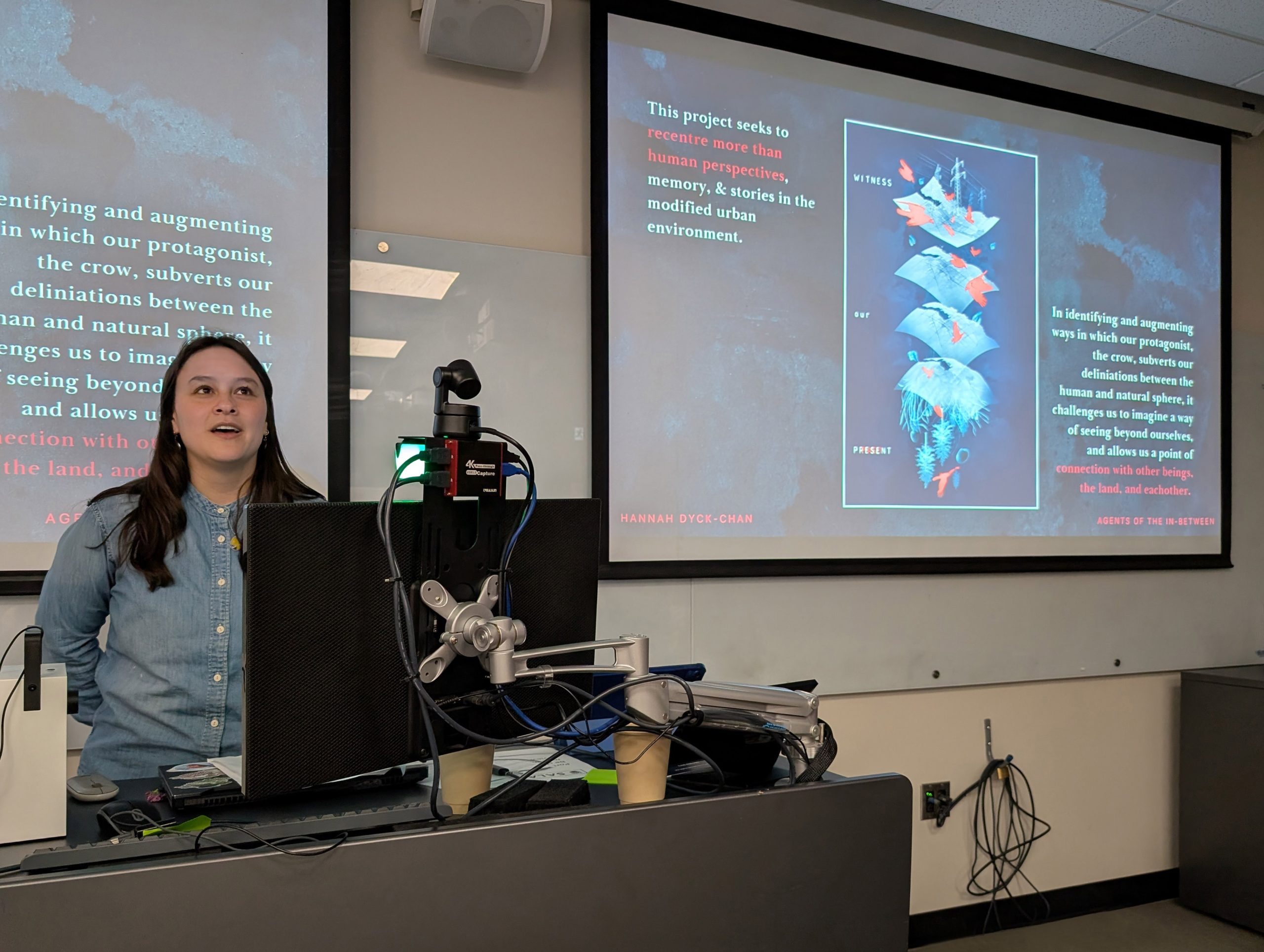
Hannah Dyck-Chan investigated urban ecologies in her project “Agents of the In-Between: Mischief and Memory alongside the Urban Crows of the Salish Sea”. She inspired viewers to consider the crows’ collective migration, inviting us into their story of our everyday shared environments, and asking the question: “What might we learn if we choose to listen?”.
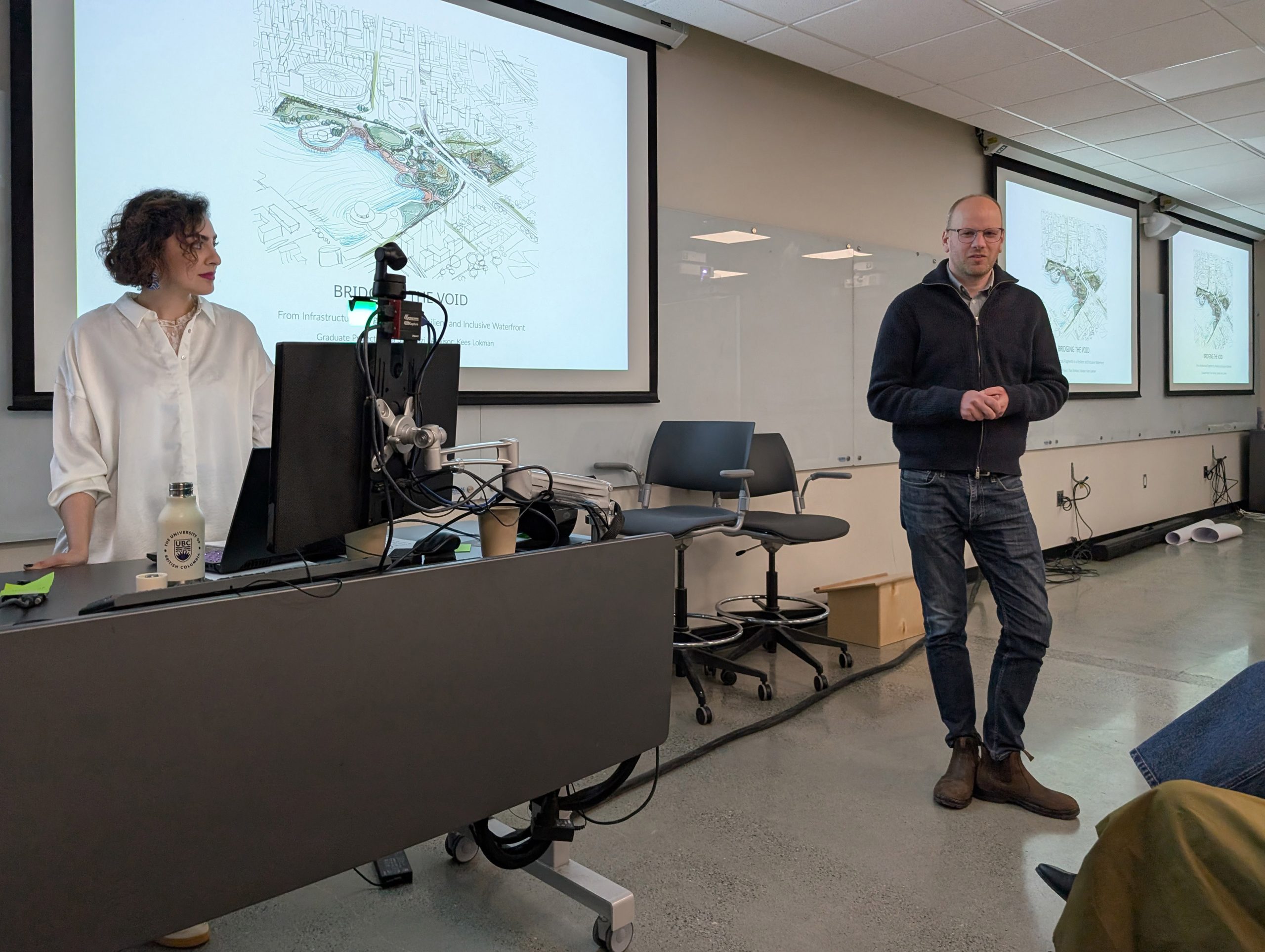
Tara Shahbazi reimagined Vancouver’s Northeast False Creek waterfront in her project “Bridging the Void: From Infrastructural Fragments to a Resilient Waterfront”. Through strategies like softened shorelines, intertidal terraces, and habitat restoration, she demonstrated how design can reconcile ecological function with public life, while bridging past and future.
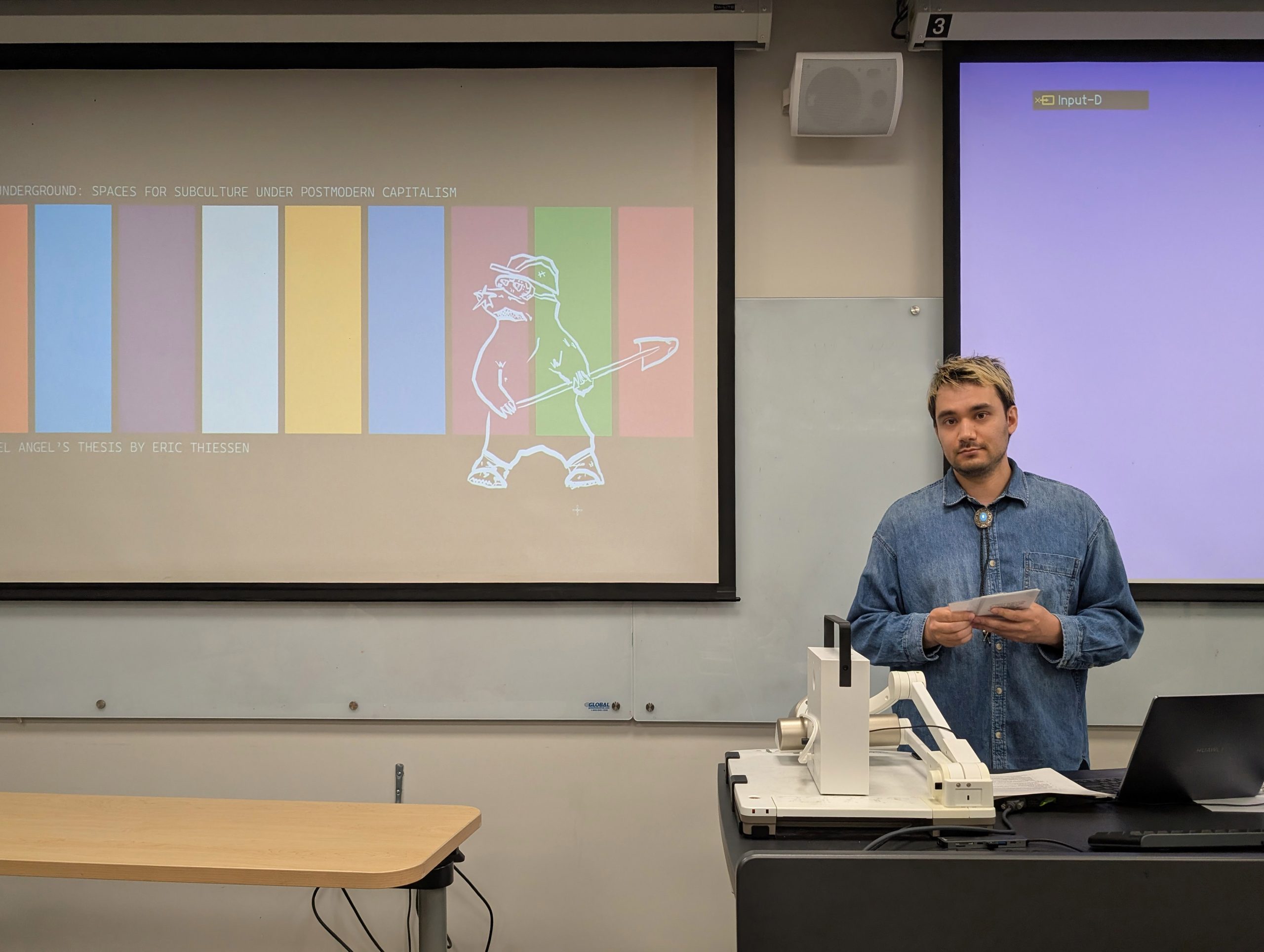
And Eric Thiessen contrasted cult value and exhibition value in his project “D.eep U.nder G.round: Spaces for Subculture Under Postmodern Capitalism”. He explored how cult value comes from an object’s hidden, sacred existence, and exhibition value applies to things that gain worth by being seen and displayed, turning them into commodities.
A Profession in Good Hands
What united these diverse projects was a strong commitment to resilience, inclusivity, and relational thinking. These emerging designers are not simply creating places. They are responding to complex global challenges with creativity, empathy, and technical skill.
Their work reflects a shift in landscape architecture toward systems thinking, where ecological health, cultural continuity, and social equity are inseparable. It’s a direction we strongly believe in at CTQ, and it was encouraging to see it so thoughtfully explored at the academic level.
Marking World Landscape Architecture Month
The timing of these presentations, coinciding with World Landscape Architecture Month, made the experience even more meaningful. It served as a reminder of the vital role landscape architects play in shaping sustainable and livable communities.
Looking Ahead
Congratulations to all the graduates! Your work demonstrates not only talent, but a deep sense of responsibility for the environments you will help shape. The future of landscape architecture is brighter because of you.
We’re grateful to have been part of this event and look forward to seeing how these emerging professionals continue to influence our cities and landscapes in the years ahead.